

The world of CCTV cameras, like many other technologies, has undergone remarkable changes over the years. From bulky, low-quality analog systems to modern IP cameras and today’s smart cameras, each generation has introduced its own unique capabilities and advantages. Here, we review the evolution of this technology and look ahead to its future.
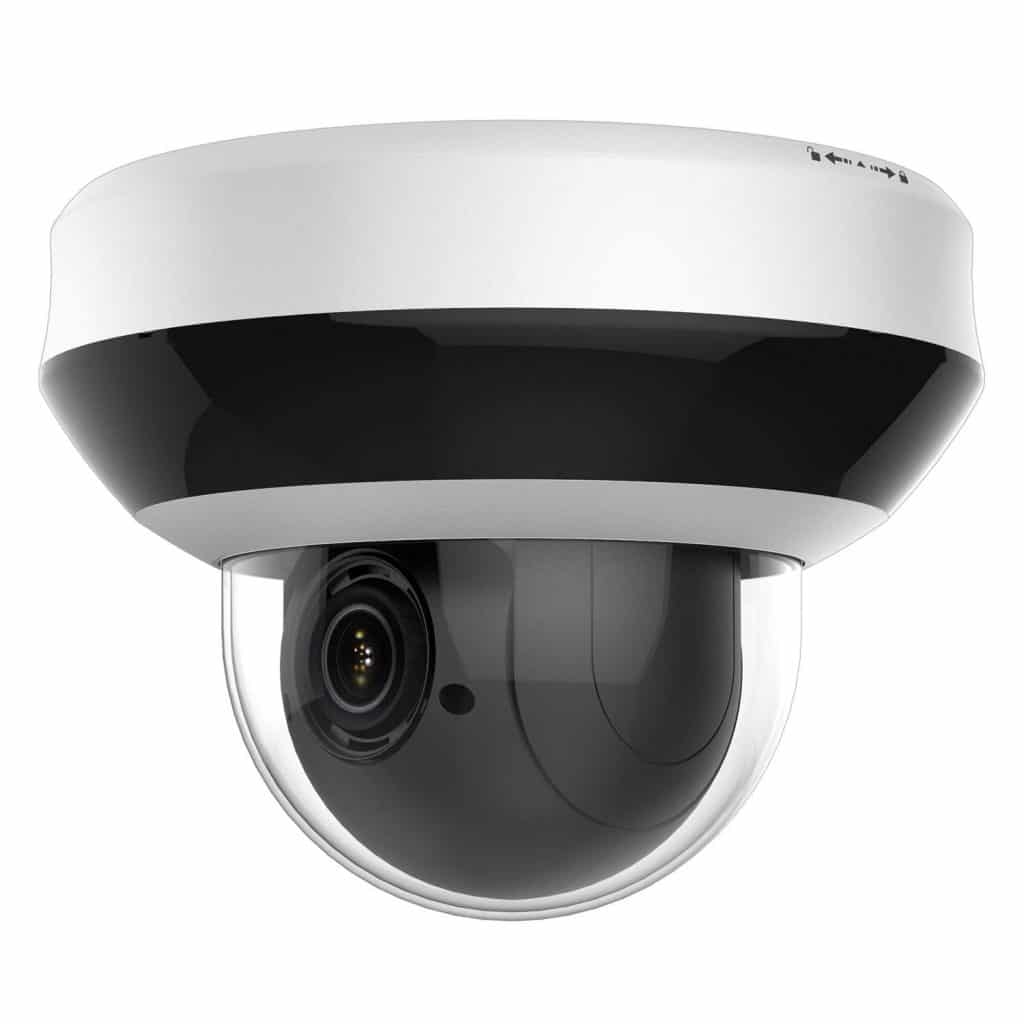
1. The golden age of analog cameras (Analog CCTV)
For decades, analog CCTV cameras have been the backbone of surveillance systems. These systems transmit analog video signals through coaxial cables.
- How it works: The analog camera captures the video signal and sends it in analog form through a coaxial cable to a digital video recorder (DVR). The DVR digitizes and compresses the analog signal and stores it on a hard drive.
- Advantages:
- Lower cost: They are generally less expensive than IP cameras.
- Easier installation: Their cabling and setup are less complex than IP systems.
- Compatibility with legacy infrastructure: In many older buildings without network cabling infrastructure, analog cameras are easier to install.
- Disadvantages:
- Lower image quality: Image resolution is much more limited compared with IP cameras.
- Signal interference: Coaxial cables are susceptible to interference from other electronic signals, which can reduce image quality.
- Limited data transmission: Two-way data transmission, such as audio or control commands, is not available.
- Separate cabling required: Each camera requires a separate cable for power and video.
2. The IP camera revolution (IP Cameras)
The emergence of the internet and computer networks paved the way for a new generation of CCTV cameras: IP cameras. Instead of sending analog signals, these cameras transmit images digitally over the network.
- How it works: An IP camera captures, processes, and compresses the image digitally, then sends it through an Ethernet cable to a network switch or directly to a network video recorder (NVR) or server. These cameras generally use protocols such as ONVIF for compatibility with different devices.
- Advantages:
- Very high image quality: Image resolution is much higher, from Full HD to 4K and beyond.
- High flexibility: They can receive power through the same network cable (PoE – Power over Ethernet), eliminating the need for separate power cabling.
- Smart capabilities: Features such as video analytics (motion detection, face detection, people counting), two-way audio, and integration with other smart systems can be added.
- Scalability: Adding new cameras to the network is easier.
- Higher security: Data can be encrypted to prevent unauthorized access.
- Disadvantages:
- Higher cost: They are generally more expensive than analog cameras.
- Network infrastructure required: Their installation requires a stable computer network.
- More complex installation: Initial network and camera configuration may be more complicated for inexperienced users.
3. Beyond IP: Next-generation and future cameras
CCTV technology continues to advance, with new capabilities constantly emerging:
- 4K and higher: As resolution increases, image detail improves dramatically and digital zoom becomes possible with less loss of quality.
- Smart cameras (AI Cameras): These cameras are equipped with powerful processors and AI algorithms that enable more accurate object detection, human behavior analysis, advanced face recognition, and event prediction.
- Wireless cameras (Wireless Cameras): In addition to wireless IP cameras connected via Wi-Fi, newer models using 5G or LTE are expanding and can eliminate the need for wired infrastructure altogether.
- Thermal cameras (Thermal Cameras): Instead of visible light, these cameras detect thermal radiation and are suitable for applications such as surveillance in very low visibility, detecting heat leaks, or identifying people behind thin obstacles.
- Internet of Things (IoT) and integration with smart systems: CCTV cameras are increasingly being integrated with other IoT devices such as smoke sensors, intrusion alarm systems, and smart locks to create a unified intelligent security system.
- Cloud processing (Cloud Processing): Moving data processing and analytics to the cloud makes it possible to use more powerful smart capabilities without expensive on-site hardware.
Making the right choice:
Choosing between analog and IP cameras, or more advanced models, depends on your needs, budget, and available infrastructure. While analog cameras remain useful for budget-limited projects or upgrading older systems, IP cameras—with superior image quality, flexibility, and smart capabilities—have defined a new standard in video surveillance. The future of this industry is closely tied to artificial intelligence, advanced connectivity, and integration with other smart technologies.
