
CCTV Cameras
CCTV Cameras
They are commonly used to monitor indoor and outdoor locations and are available in different types depending on environmental conditions. These may be video cameras or digital cameras.
A German engineer named Walter Bruch invented CCTV. The first public demonstration of CCTV in the United States took place in 1913.
History
The first CCTV system was installed in 1942 by the German military to monitor the launch of the V-2 rocket at its launch site. About seven years later, commercial CCTV systems entered the U.S. market under the name Vericon, and notably their use did not require a government permit.
The first network cameras were produced in 1996 by Axis using a Linux software platform. They were designed around HTTP and RTSP standards and used IP standards to transmit images as data. By recording visual information from an environment, CCTV makes personal or legal investigation possible after an incident or crime. Today, CCTV footage from public areas has become part of routine investigations by police and security organizations. Having footage of a crime scene, the way an incident unfolded, or the people involved greatly increases the ability to investigate and apprehend offenders. From a legal perspective, recorded CCTV footage is also recognized as valid evidence and can be cited in proceedings.
Main structure
- Camera bodyThe main housing and outer cover, selected according to the environment where the camera will be used.
- Electronic parts of the cameraSensor, main board, connector, and power board
- Camera lens: A zoom or motorized CCTV lens allows the focal length, and therefore the camera’s field of view, to be changed remotely. These lenses also usually include autofocus. This article will help you become more familiar with this type of lens.
- Role of the lens: The size of a camera image sensor is limited and small. As a result, the image formed directly on the image sensor would be very limited. To solve this problem, a device is needed to focus light onto the image sensor. This device is called a lens. CCTV lenses usually consist of one or more optical elements that, depending on focal length, form a specific portion of the scene on the image sensor. The longer the lens focal length, the narrower the camera’s field of view. For two cameras with fixed-focal-length lenses, the camera with the larger image sensor generally shows a wider field of view.
Types of CCTV lenses
- Fixed lenses
- Industrial fixed lenses
- Mini-camera fixed lenses
- Varifocal lenses
- Motorized lenses
Types of CCTV cameras
By sensor type
- CCD sensor
- CMOS sensor
By output signal type
- Analog
- IP
By image transmission method
- Wireless
- Wired
By physical design and application
CCTV cameras are named according to their physical design and intended application.
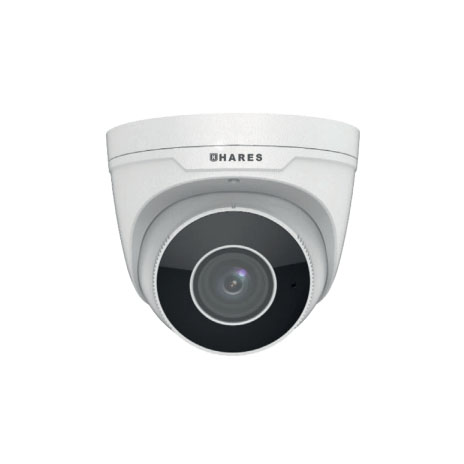
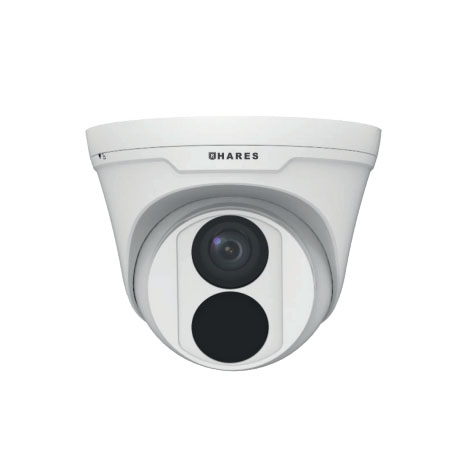
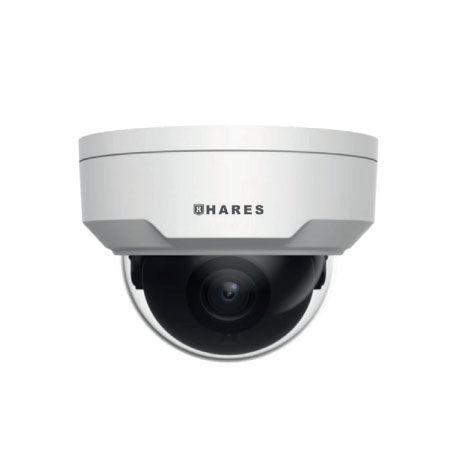
Dome CCTV camera(Dome): The term “Dome” means a rounded dome shape. As the name suggests, “Dome” refers to the shape of the housing of this type of CCTV camera. These cameras are primarily designed for ceiling installation.
Box CCTV camera(Box): The term “Box” means a box. Box cameras usually have a rectangular, often plastic housing, and their lens is installed separately on the camera.
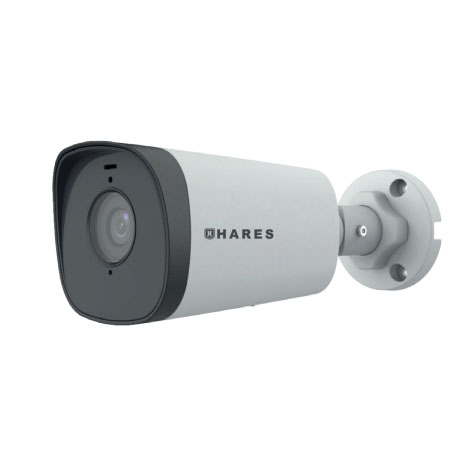
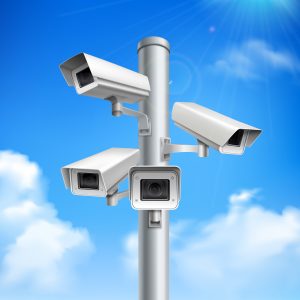
Bullet CCTV camera(Bullet): The term “Bullet” means a projectile or bullet. Bullet cameras usually have a cylindrical body and are generally made of metal.
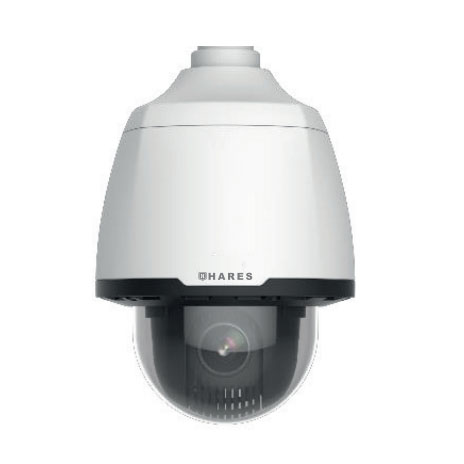
Speed Dome CCTV camera(Speed dome): Pan-tilt cameras are known by several names, including Fast Dome, Speed Dome, and PTZ. With Speed Dome capability, the user can rotate the CCTV camera in any desired direction.
Miniature cameras: Miniature or mini cameras, as their name suggests, are small cameras often used as hidden cameras.
Thermal CCTV cameras(Thermal): Thermal cameras create images based on the thermal patterns of the environment rather than visible light.
By installation environment
- Indoor environment (covered)
- Outdoor environment (open space)
Technical specifications
- Image sensor
- Resolution
- Shutter speed
- Night vision: IR stands for Infrared, referring to the infrared spectrum. Night-vision (IR) cameras illuminate their surroundings using infrared LEDs, enabling imaging at night.
- (Wide Dynamic Range (WDR
- Lens
- Ingress Protection (IP) rating
- IK standard
Difference between analog and IP CCTV cameras
- Image resolution: IP cameras provide a significantly higher level of image resolution than analog cameras.
- Image processing: Although analog cameras offer some basic capabilities, advanced image-processing features such as face recognition and license-plate recognition are generally available only on IP cameras.
- Flexibility and scalability: Because IP cameras use digital network infrastructure, they offer much greater flexibility and scalability.
- Price: Analog cameras generally cost much less than IP cameras.
- Ease of installation and maintenance: Analog cameras are structurally simpler to install and maintain and involve less technical complexity.
Related topics
- Electronic Security
- CCTV systems
- Dahua Technology